Understanding modern
building systems
Buildings are more than walls and windows. They're living systems: heating and cooling, distributing water, keeping people comfortable and safe. The more efficient these systems work, the less energy a building uses, and the smaller its footprint on the world around it.
Building
A building doesn't perform in parts, it performs as one system
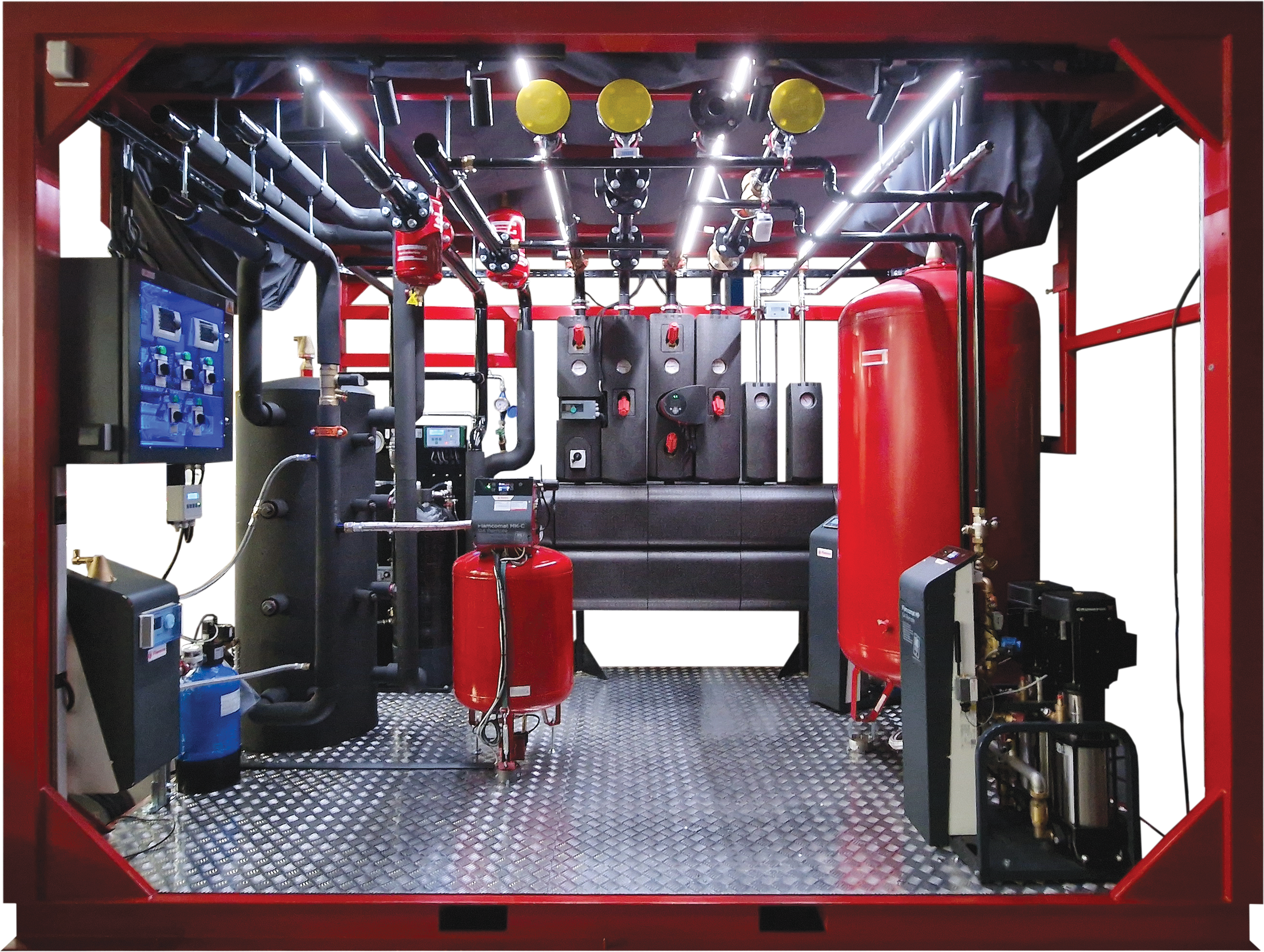
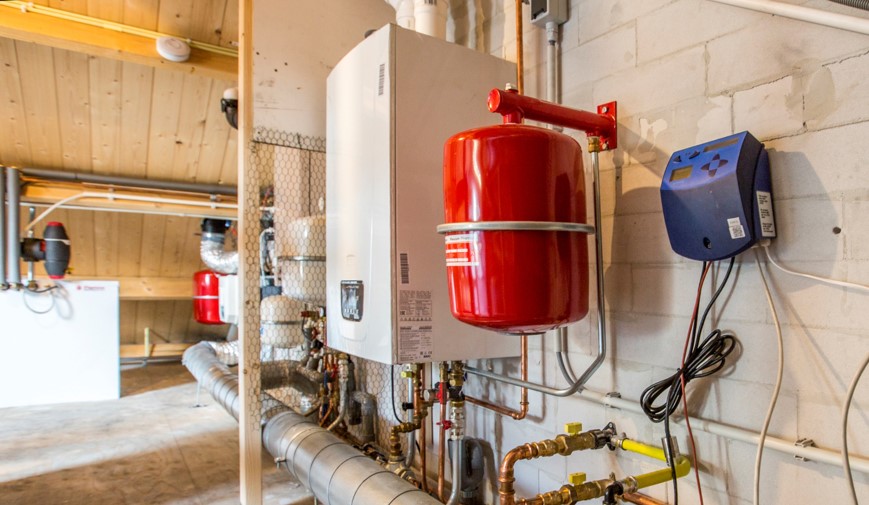
Advanced HVAC systems and hydronic flow control
Heating and cooling account for a significant share of a building's energy use. Getting it right depends on how precisely the system is controlled. That's not just good engineering. That's a lower energy bill, a smaller carbon footprint, and a better place to work or live.
Sustainable building systems for a greener future
The built environment is responsible for nearly 40% of global energy consumption. Changing that starts with what's inside the walls. We develop technologies that help buildings use less, waste less, and last longer. Every building that runs more efficiently is a step toward a world that works better for everyone.
Lorem ipsum
Lorem ipsum
Aalberts in Building
Building the systems that are built around you
From the first specification to the final installation, we are the partner that keeps building systems running. We bring both the scale to deliver and the expertise to get it right.
Locations worldwide
+
Mission-critical people
What's happening in our world
.jpg)


.jpg)
 (1).jpg)
What does Aalberts do in buildings?
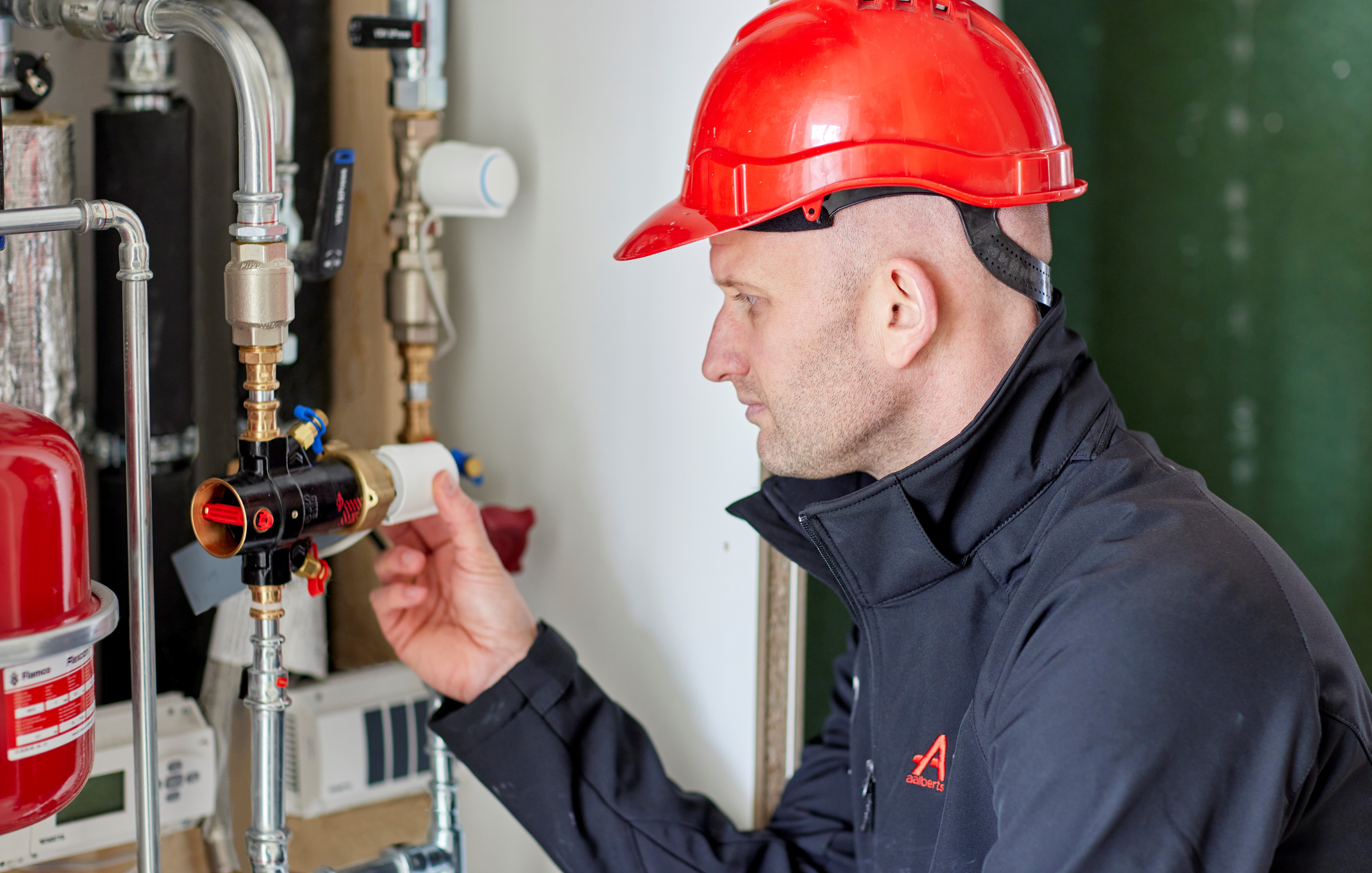
At the heart of every great building, Aalberts engineers integrated systems for heating, cooling and sanitary applications. Our technologies bring buildings to life by improving energy and resource efficiency, ensuring safe and clean drinking water, and helping customers address labour shortages through smart, easy-to-install solutions.
What makes Aalberts unique?
Our uniqueness is a combination of competitive advantages. We offer integrated system with global supply chain coverage. We are an engineering partner during entire building lifecycle. We have an extensive global salesforce with local-for-local approach in many countries. And we are recognized for our lean manufacturing, investment power and innovation speed. More in general, Aalberts combines specialised niche technologies, entrepreneurial leadership, operational excellence and a strong customer focus. Rather than competing across broad markets, we focus on leading positions in selective end markets where technology and innovation create measurable customer value. Our operating model is aimed at a lot of autonomy in the different businesses, ensuring local an industry relevance.
What does “mission-critical technologies” mean?
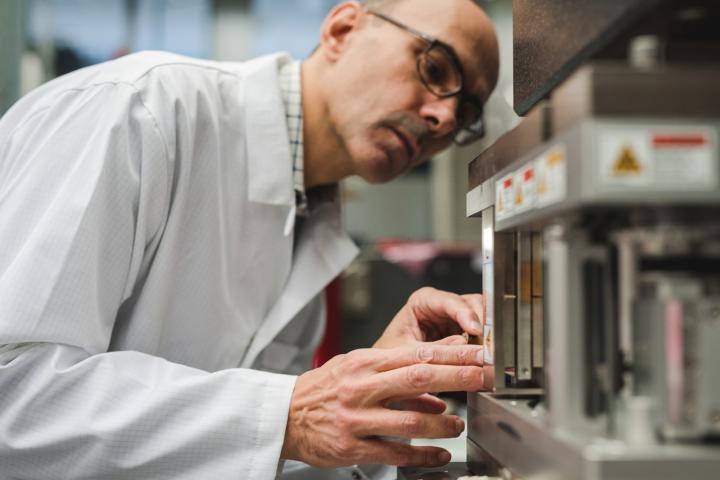
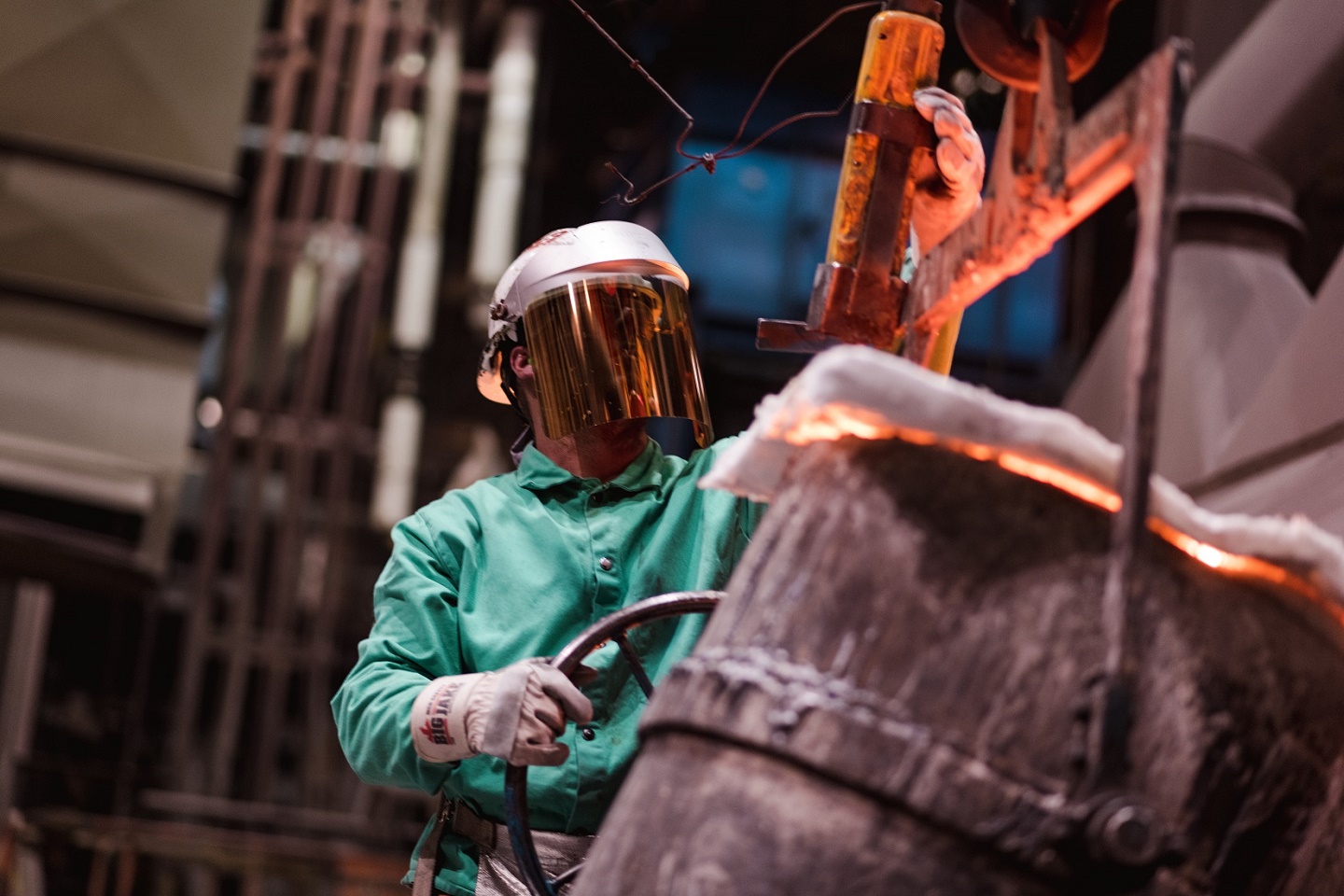
Mission-critical technologies are products, systems and services that perform essential functions within a process or application. These technologies are often critical to safety, reliability, efficiency or production continuity. At Aalberts, mission-critical technologies are used in applications ranging from semiconductor manufacturing and climate control systems to aerospace components and industrial applications.
What are the key trends shaping the building segment for Aalberts?
Several long-term trends are driving demand across the buildings market. Urbanisation is increasing the need for comfortable and efficient buildings, while the rapid growth of data centres and smart buildings is accelerating demand for advanced building technologies. Reshoring is driving new industrial construction and strengthening demand for locally manufactured solutions, and the transition to low-carbon energy is fuelling a global renovation wave focused on improving energy efficiency and sustainability.

Got a challenge in mind? Our building specialists are happy to help