The world’s steadiest hands just helped science see the impossible
Every scientist who has ever peered into a high-powered microscope knows the frustration: you get close, impossibly close, to seeing something no human has ever seen before. But then a passing lorry, a distant footstep, or even the hum of a building’s ventilation system blurs the image into noise. Not because the microscope isn’t powerful enough. Because the world simply can’t hold still.
When cooling fails, servers fail. And when servers fail, the ripple effects are felt by businesses, hospitals, and financial systems worldwide.
That’s the problem Aalberts set out to solve. And we’ve just broken a world record doing it.
Stillness as a superpower
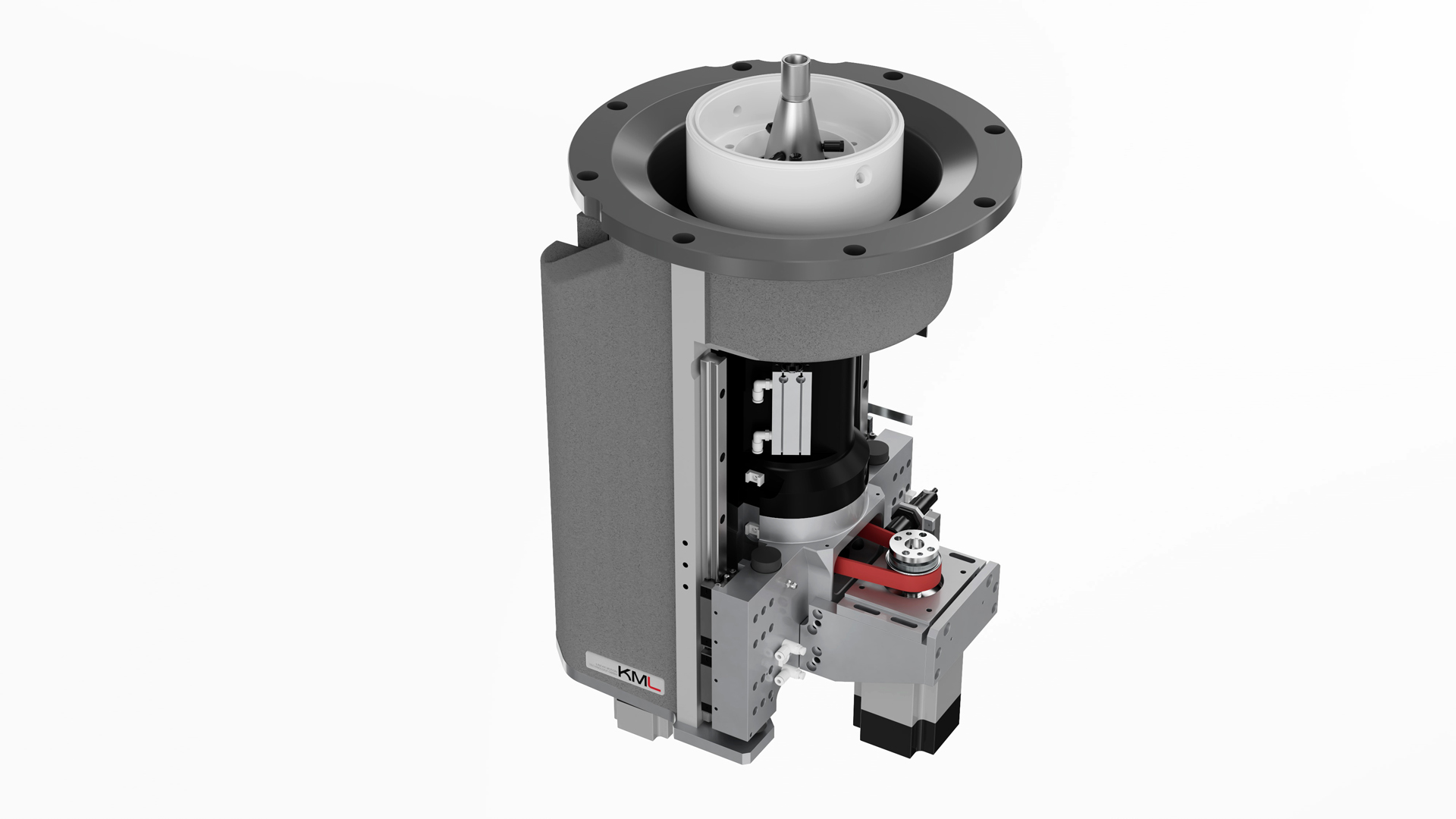
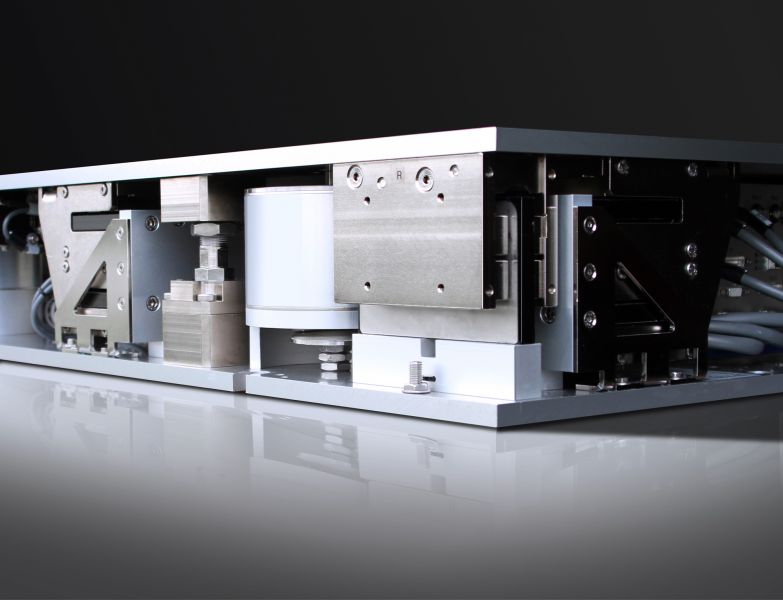
Our engineers at Aalberts developed a vibration isolation system that doesn’t just dampen unwanted movement; it actively senses and counteracts it in real time, creating an environment of near-perfect stillness around the microscope. Think of it as giving the instrument its own calm eye in the middle of the world’s chaos.
Working alongside the University of Tokyo and microscope manufacturer Jeol, the system was integrated into a scanning transmission electron microscope. The result: a resolution of 40.5 picometres, one trillionth of a meter. A world record that allows scientists to observe individual atoms with a clarity that has never been achieved before.
For the first time in history, we can see individual atoms in sharp focus.
‘As engineers, our role is to remove the obstacles that stand in the way of new discoveries,’ says Roland Kappel, Director of Product Development at Aalberts advanced mechatronics. ‘At atomic magnification scale, stability is vital. By creating a rock-solid foundation, we give scientists a heightened potential for future breakthroughs.’
Why this matters to all of us
Clearer images of atoms don’t just look impressive on paper. They are the starting point for discoveries that find their way into everyday life. Better computer chips that make our devices faster and more efficient. Lighter, stronger materials for the cars, planes, and buildings of the future. More efficient batteries to power the energy transition. And new insights into biological processes that could lead to medical treatments not yet imagined.
When cooling fails, servers fail. And when servers fail, the ripple effects are felt by businesses, hospitals, and financial systems worldwide.
More than a technical milestone
‘This level of stability allows us to see details we couldn’t have dreamed of before,’ says Minato Takahashi from the University of Tokyo. ‘The breakthrough is more than a technical milestone. This truly is remarkable engineering.’
Behind every great discovery, there’s someone who made it possible to look closely enough.
Contact us if you want to know more about this article

Stéphane Simonetta
chief executive officer